Pay Now


 Keeping patients’ smiles whole and healthy is always the goal at
RiverPlace Dental of Portland. When we can’t keep patients’ smiles healthy, the skilled restorative
dentist, Megan McInnis, DDS, and her dedicated dentistry team offer a wide range of conservative restoration options
to replace lost tooth structures and renew oral health. Dental crowns are one of the most often used restorations.
They protect and repair damaged teeth and allow patients to maintain the maximum amount of healthy dental structure.
If you want to learn more about dental crowns or other restorative dentistry solutions at RiverPlace Dental, call our Portland dentist and team to schedule a treatment
consultation with us today.
Keeping patients’ smiles whole and healthy is always the goal at
RiverPlace Dental of Portland. When we can’t keep patients’ smiles healthy, the skilled restorative
dentist, Megan McInnis, DDS, and her dedicated dentistry team offer a wide range of conservative restoration options
to replace lost tooth structures and renew oral health. Dental crowns are one of the most often used restorations.
They protect and repair damaged teeth and allow patients to maintain the maximum amount of healthy dental structure.
If you want to learn more about dental crowns or other restorative dentistry solutions at RiverPlace Dental, call our Portland dentist and team to schedule a treatment
consultation with us today.
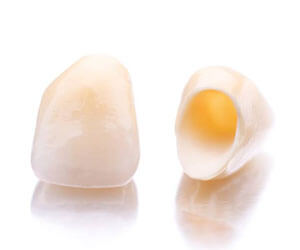
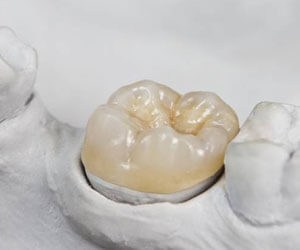
Dental crowns are restorations that cover the entire tooth. Following damage or decay, in most cases, a dental crown is positioned over the remaining dental structure to repair, protect, and strengthen your smile. We can craft dental crowns using a variety of materials, including gold, metal alloys, porcelain fused to metal, zirconia, and ceramic. Each of these solutions has advantages and disadvantages, and we will be happy to review your options to help you make the right choice for your unique smile.
We may recommend patients receive a dental crown in any of the following situations:

Dental crowns are placed in two trips to our Portland office. During the initial visit, we prepare your tooth by removing dental damage and smoothing away a small amount of surface enamel around the tooth to allow the crown to fit into your smile line. Once teeth are prepared, we capture impressions that will be used by our dental lab to craft your custom crown. Before you leave the office, a temporary restoration is placed to protect the prepared tooth. When we receive your final restoration from the lab, you’ll return to the office where we’ll exchange your temporary for a flawless, custom dental crown.
Following a restorative dentistry procedure like dental crown placement, you should pay close attention to the way the tooth feels for the first several days after treatment. If you notice that the crown feels lose, your bite doesn’t fit together in the same way, or you have increased pain or sensitivity, you should call us right away. Otherwise, you can go back to your regular diet and oral hygiene routine. Your at-home oral health care plan should include brushing teeth twice a day, flossing daily, and visiting our team two times a year. During your dental exam and teeth cleaning visits, we can review your oral hygiene products and brushing and flossing methods to ensure you are caring for your smile effectively.

Dental crowns can help to build up and protect damaged teeth from additional harm. Since every case is a little bit different, the cost of treatment can vary from patient to patient. During your consultation, we will go over the estimated cost of your treatment so that you don’t run into any surprises. Until then, here are some things for you to take into consideration.

There are various factors that contribute to the cost of dental crowns. Here are some of the most prominent ones.

Dental crowns are usually considered to be a major restorative treatment by dental insurance providers. This means that they are usually covered at about 50% after the annual deductible has been met and before the maximum has been exceeded. However, every plan is a little bit different, so it is best to reach out to your provider directly so that you don’t run into any surprises. If you have questions or concerns, talk to one of our friendly team members.

If you don’t have dental insurance, this doesn’t mean that you are completely out of luck. With our In-House Membership Plan, you can save 10% on treatments completed at our practice. If you have any questions or concerns regarding your payment options, don’t hesitate to reach out.

Want to learn more about dental crowns in Portland? You’re in the right place! Our knowledgeable and friendly team would be more than happy to answer any questions you have during your appointment. If you don’t have any specific questions on your mind but you’d like to learn more about dental crowns in general, then keep reading.
Temporary dental crowns are designed to protect your treated tooth while you wait for your final one to arrive. Since they aren’t as durable, it’s a good idea to exercise caution. Sticky, crunchy, and hard foods (i.e., popcorn, caramel apples, pretzels) should all be avoided – it’s the best way to prevent loosening or dislodging the crown. Instead, stick to softer, nutrient-dense options, like oatmeal, yogurt, applesauce, and soup. Once your final crown arrives, you’ll be able to eat a much more varied diet.
Technically, no. While dental crowns can last for well over a decade with proper care, they do eventually need to be replaced. Usually, abnormal symptoms, like pain and instability, will arise, which is a good indicator that it’s time to visit your dentist for a replacement. Don’t worry – our Portland dentist will also check on the condition of your restoration at your biannual visits.
Note: one of the best ways to prolong the lifespan of your dental crown is by taking good care of it! Brushing twice a day, flossing daily, getting a dental checkup and cleaning every six months, and avoiding unhealthy dental habits (like smoking) are all important best practices.
Since dental crowns are crafted from high-quality materials, like porcelain, they are cavity-resilient. It’s important to note, however, that your underlying tooth and surrounding teeth certainly can. So, you should continue to implement a solid oral hygiene routine. If the tooth underneath the crown develops a cavity, then it will need to be treated and the crown will need to be replaced. Fortunately, this is largely preventable with the right best practices in place.
Modern dental crowns don’t just look natural; they feel natural too. There are a few reasons for this. First, they are made from porcelain and other high-quality materials. The durability ensures that you can chew all of your favorite foods pain-free (although you should still be cautious with hard, crunchy, and sticky items). Furthermore, each crown is custom-made for each patient, ensuring it fits the treated tooth and their bite perfectly. Lastly, the smooth material ensures that it won’t feel awkward or obtrusive while you go about your day.